
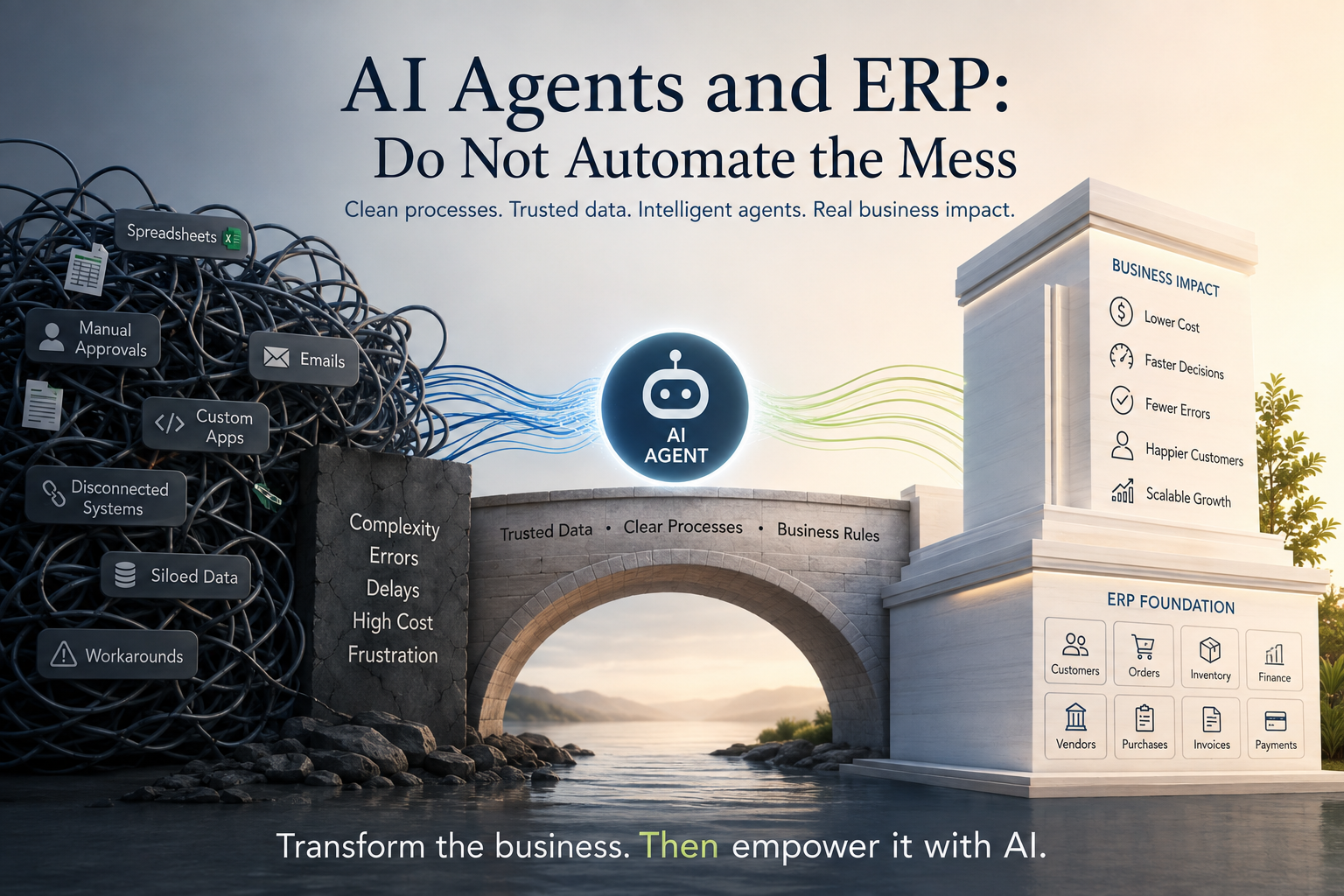
Learn how to identify high-value AI agents, assess ERP and data readiness, avoid automating broken processes, and build a practical AI-agent roadmap.
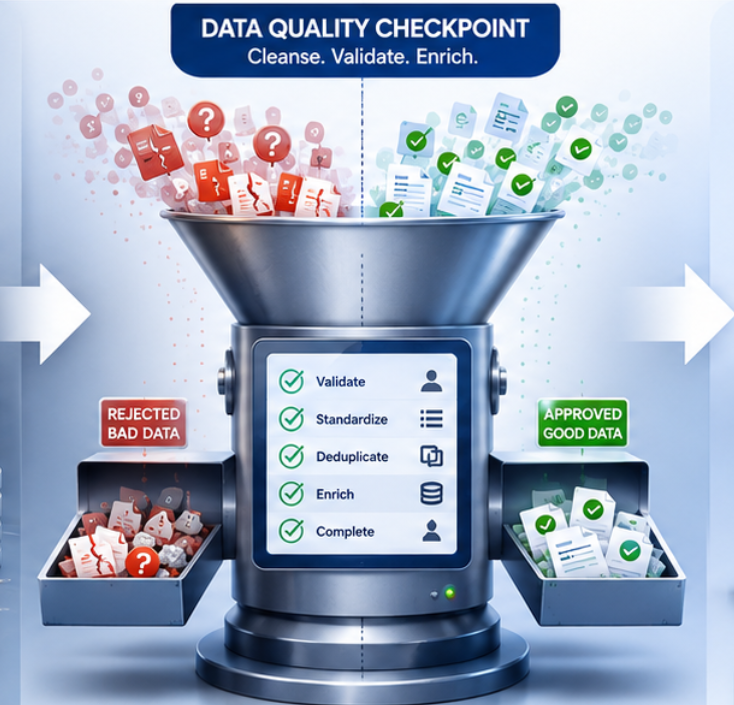
Learn how to improve ERP data quality, reduce migration risk, decide what data to move, and avoid bringing legacy system problems into a new ERP.

Learn how to choose the right ERP, uncover the hidden cost of disconnected systems, and build a realistic ERP implementation budget before vendor demos.
Learn how HandsFree ERP provides independent advice to reduce failure, improve selection, and build AI-ready data foundations for digital success.

Learn about prompt injection and AI agent risks like data theft and security breaches, and find out how to protect your digital tools from social engineering.

Learn how ERP projects can reach near zero failure by applying aerospace, pharma, and financial services discipline with independent validation and risk governance.
ERP decisions carry financial and organizational risk. HandsFree ERP provides independent guidance to improve decision quality and prevent costly failures.
Discover the key step most companies skip that leads to ERP project failures. Learn how ERP Success Academy can help you avoid costly mistakes and ensure success.
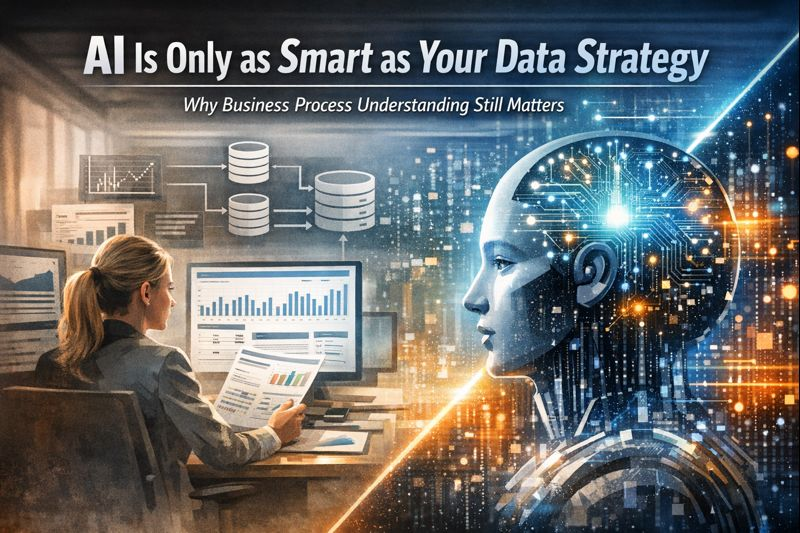
Discover why a solid data strategy is essential for AI success. Learn from real-world lessons on avoiding data pitfalls and unlocking AI's full potential.
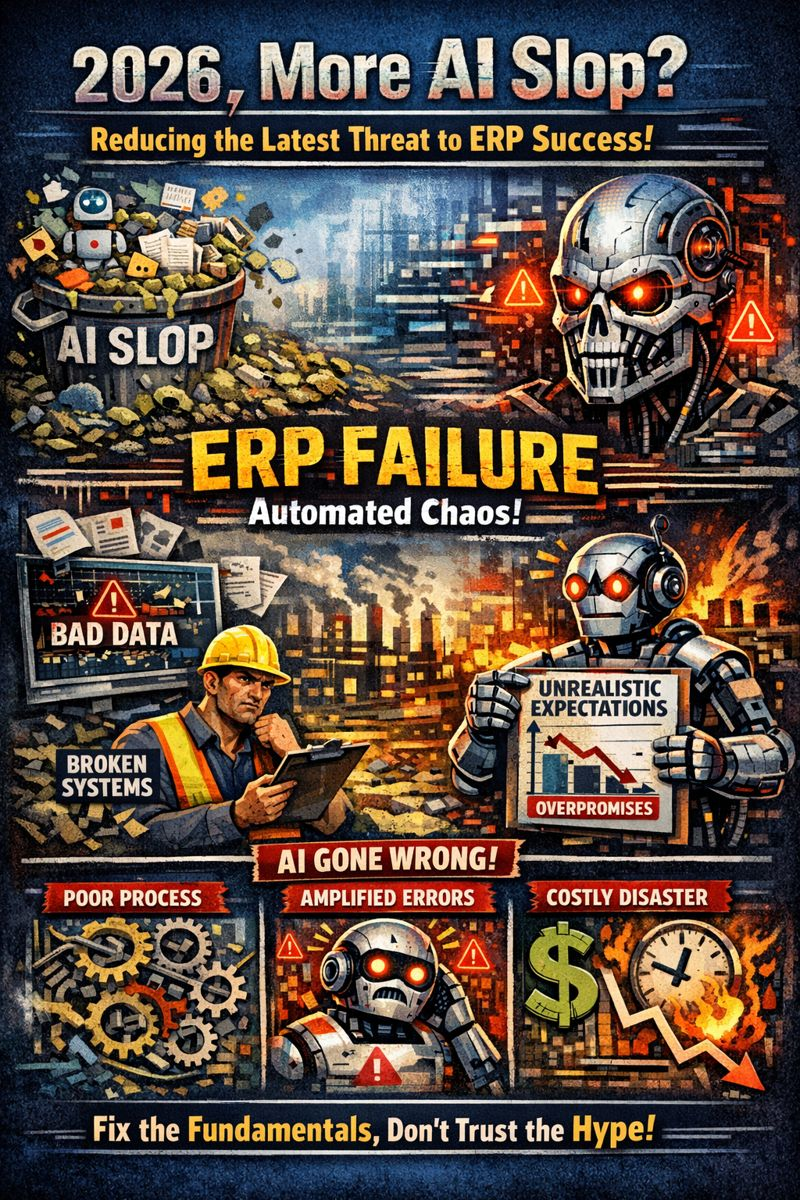
Discover how AI Slop threatens ERP success in 2026. Learn why quality matters and how to avoid amplifying errors with poor AI integration.
Learn how to identify high-value AI agents, assess ERP and data readiness, avoid automating broken processes, and build a practical AI-agent roadmap.
Learn how to improve ERP data quality, reduce migration risk, decide what data to move, and avoid bringing legacy system problems into a new ERP.
Learn how to choose the right ERP, uncover the hidden cost of disconnected systems, and build a realistic ERP implementation budget before vendor demos.
Learn how HandsFree ERP provides independent advice to reduce failure, improve selection, and build AI-ready data foundations for digital success.
Learn about prompt injection and AI agent risks like data theft and security breaches, and find out how to protect your digital tools from social engineering.
Learn how ERP projects can reach near zero failure by applying aerospace, pharma, and financial services discipline with independent validation and risk governance.
ERP decisions carry financial and organizational risk. HandsFree ERP provides independent guidance to improve decision quality and prevent costly failures.
Discover the key step most companies skip that leads to ERP project failures. Learn how ERP Success Academy can help you avoid costly mistakes and ensure success.
Discover why a solid data strategy is essential for AI success. Learn from real-world lessons on avoiding data pitfalls and unlocking AI's full potential.
Discover how AI Slop threatens ERP success in 2026. Learn why quality matters and how to avoid amplifying errors with poor AI integration.